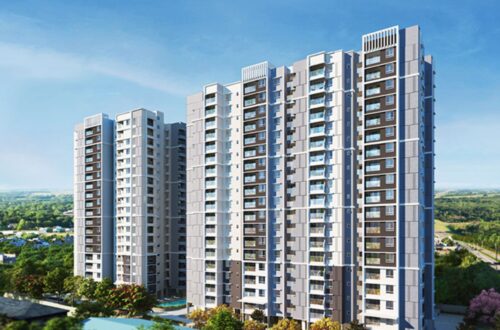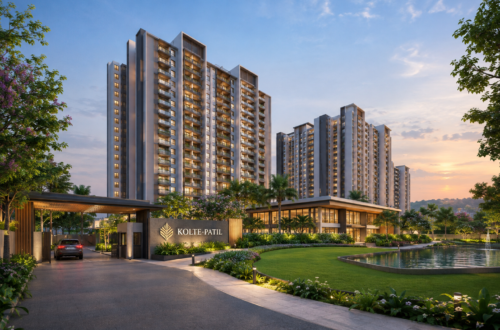
Hiranandani Krisala Township is a large scale mixed-use township coming up in North Hinjewadi, Pune. This project covers around 105 acres of planned land. It is currently in pre-launch phase 3. The township will offer apartments and duplex homes in multiple sizes. Possession is expected by December 2030. The development focuses on organized growth and long term livability. It also targets both homebuyers and investors.
Project Overview and Development Vision
This township project follows a phased development model. Developers build and deliver sections step by step. This approach improves construction control and delivery quality. The project includes 2, 3, and 4 BHK homes. It also includes duplex residences for larger families. The idea is to create a self-sustained urban zone. Residents can live, relax, and meet daily needs within the township. Such planning reduces outside travel for basic needs.
The project is being developed by Hiranandani Communities and Krisala Developers. Both groups have experience in large residential projects. Joint development often combines planning strength and local execution.
Location Strength of North Hinjewadi
North Hinjewadi sits within the fast growing IT belt of Pune. Many technology parks and offices operate in this region. Because of that, housing demand remains active. Working professionals prefer homes near job hubs. Shorter travel time improves daily life balance. Road connectivity links this area with major highways. Expansion projects continue to improve transport routes.
Growth corridors usually attract retail and social infrastructure. Schools, clinics, and shopping zones often follow job clusters. Therefore, residential demand tends to remain stable here.
Township Scale and Land Use Planning
A 105 acre township allows structured land use planning. Designers can divide land into housing and utility zones. This reduces congestion inside the project. Wide roads support better traffic movement. Service areas stay separate from living clusters. This improves safety and cleanliness. Large land also supports better open space ratios.
Spacing between towers improves light and ventilation. Residents get better views and airflow. Low crowd density improves daily comfort. Large projects also support future upgrades more easily.
Home Configurations for Different Families
The township offers homes for different buyer needs. Two bedroom homes suit working couples and small families. Three bedroom homes support growing families. Four bedroom homes fit premium buyers. Duplex homes serve buyers who want extra private space. This configuration mix builds a balanced resident base.
Mixed configuration projects often perform better in resale markets. Different budgets enter at different points. This keeps transaction activity healthy over time.
Unit Sizes and Usable Area Value
Home sizes range from about 750 square feet to 1860 square feet. Buyers can match size with budget and lifestyle. Smaller units lower entry cost and maintenance load. Larger homes support long term family needs. However, layout efficiency matters more than raw size. Good planning improves usable space.
Buyers should always review carpet area and room dimensions. Proper proportions improve furniture placement and movement. Smart layouts reduce wasted corridor space.
Design Approach and Internal Layout Logic
Modern residential design focuses on practical room flow. Living and dining areas often connect directly. This supports family interaction and space flexibility. Bedrooms usually stay in quieter corners. This improves privacy and rest quality. Kitchens are placed for easy access from dining areas. Utility areas remain attached for daily tasks.
Bathrooms are positioned for easy reach without disturbing private rooms. Passage lengths remain controlled to avoid space waste. Good layout planning improves everyday comfort and function.
Lifestyle Amenities and Shared Facilities
Large township developments usually include lifestyle facilities. Final amenity lists will come from the developer later. Still, such projects often provide clubhouse and fitness zones. Sports courts and walking tracks are common features. Children usually get separate play areas. Community halls support social events.
Open green areas improve outdoor experience. Landscaped spaces also support better air quality. Shared facilities build community interaction. They also reduce the need for outside memberships.
Overall Site Planning Structure
The township layout follows a structured zoning method. Residential towers are grouped in clusters. Open areas connect these clusters with walking paths. Entry and exit gates manage vehicle flow. Internal roads are designed for smooth circulation. Parking areas are planned within each block.
Service infrastructure stays planned from the start. This includes water lines and power systems. Proper site planning reduces future disruption. Buyers should review the official master layout when available.
Price Band and Market Position
The project price band ranges from mid to upper segment. Homes are expected between about seventy five lakh and above two crore. Final price depends on size and unit type. Larger homes and duplex units cost more. Township projects often launch with phase based pricing. Early phases may offer better rates.
Buyers should check total cost, not just base price. Charges may include parking and maintenance deposits. Payment schedule clarity is very important.
Legal Status and Approval Stage
The project currently shows approval under process status. Buyers should verify registration details before booking. Regulatory registration improves transparency. It records plans and delivery timelines. Legal checks should include land title and permissions. Professional verification reduces buying risk.
Never rely only on marketing material. Always review official documents and approvals.
Demand Drivers and Rental Scope
IT corridor locations often support rental demand. Many professionals prefer renting near work zones. This supports investor interest in such projects. Mixed configuration projects attract varied tenants. Smaller homes usually rent faster. Larger homes attract family tenants.
Township living also attracts long term residents. Better facilities support longer stays. This reduces vacancy risk for investors.
Long Term Growth Potential
Integrated township projects usually grow in value over time. Value improves as phases complete and occupancy rises. Internal infrastructure strengthens market perception. Brand backed developments attract buyer trust. Large planned communities also age better than isolated towers.
However, investors should plan for medium to long holding periods. Township appreciation takes time. Smart entry timing improves return potential.
Closing Perspective
Hiranandani Hinjewadi Pune North Hinjewadi township project offers scale and structured planning. It provides multiple home sizes and living formats. Location near job hubs supports steady demand. Phased development supports organized delivery. Buyers should verify approvals and plans before commitment. With proper checks, it can serve both living and investment goals.